
Muscle mass scales
Explore our muscle mass scales from Withings. Accurately monitor your body composition and achieve your fitness goals with advanced...
GLP-1 therapy is now a cornerstone of clinical obesity management, but medication is only half the story. To reach your long-term goals, you must understand how these treatments work and, more importantly, how to accurately monitor their impact on your body.

💡 In short:
GLP-1 is an incretin hormone naturally secreted by the intestines after eating. As a vital chemical messenger, it performs three primary functions:
Regulates insulin: It prompts the pancreas to release insulin in response to rising blood sugar levels.
Appetite control: It targets receptors in the brain to signal fullness (satiety) and reduce cravings.
Gastric emptying: It slows down the rate at which food leaves your stomach, helping you feel satisfied longer.
A GLP-1 agonist (or GLP-1 analogue) is a medication that mimics this natural hormone but remains active in your system for much longer, providing a therapeutic effect for weight loss and glucose control.
If you are considering GLP-1 for weight loss, it is vital to understand both the administration and the commitment involved. In the U.S., these FDA-approved medications require a healthcare provider's prescription.
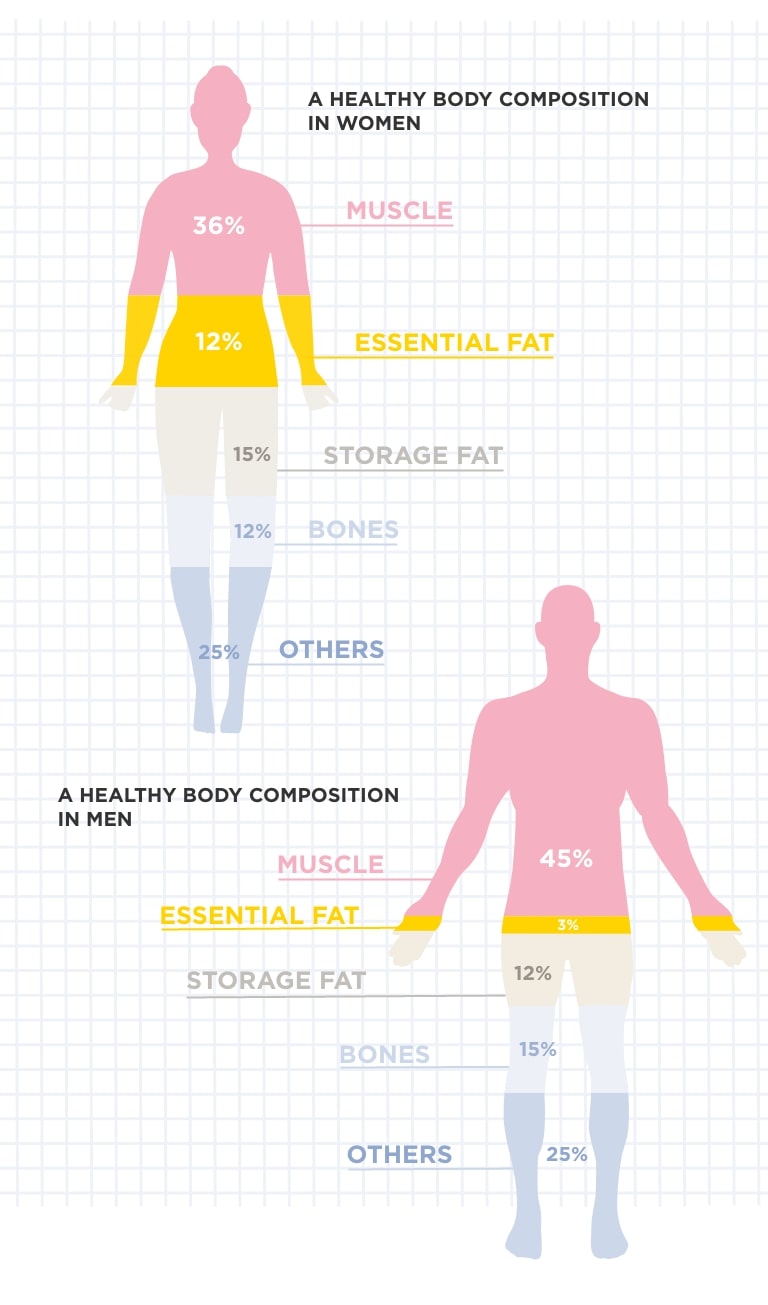
A significant challenge of rapid weight loss through GLP-1 treatment is the potential loss of lean muscle mass. When weight drops quickly, the body often burns muscle alongside fat, which can lower your Basal Metabolic Rate (BMR).
Monitoring your body composition with a smart scale is essential during GLP-1 therapy. By tracking your muscle-to-fat ratio, you can ensure your progress is "healthy" weight loss. Preserving muscle mass is vital for long-term metabolic health and preventing weight regain once treatment ends.
This illustration shows why muscle mass is the engine of your body composition. Studies indicate that for those on GLP-1 therapy, muscle can account for 25% to 40% of total weight lost by the end of treatment—making tracking more important than ever.
GLP-1 THERAPY FAQ
Is GLP-1 a "miracle" drug for obesity?
While highly effective, GLP-1 for obesity is a tool, not a cure. It works best when combined with nutritional support and physical activity. Clinical data shows that lifestyle changes are essential for maintaining weight loss after the medication is discontinued.
What are the common side effects of GLP-1?
Most users experience mild to moderate gastrointestinal issues, such as nausea, diarrhea, or constipation. These symptoms typically subside as the body adjusts to the medication. Always consult your healthcare provider regarding side effects.
Can I get GLP-1 over-the-counter in the US?
No. In the United States, all GLP-1 medications, such as semaglutide or tirzepatide, require a prescription from a licensed healthcare professional. Always consult your doctor if you think you're a candidate for this treatment.
Muscle mass scales
Explore our muscle mass scales from Withings. Accurately monitor your body composition and achieve your fitness goals with advanced...

Healthy body composition: What it is and how to improve it
What is body composition? Learn how to measure it, what defines a healthy body composition, and tips to improve your fat, muscle, and water...

Body fat percentage: Understanding and measuring body fat
Learn what body fat percentage is, how to measure it accurately, and discover healthy ranges and lifestyle tips to reduce excess body fat.
Join millions of users who are improving their health with Withings. Sign up to discover the entire Withings ecosystem, our latest products, and exclusive offers.
By registering, you agree to receive advertising e-mails from Withings. However, if you change your mind, you can unsubscribe at any time.
