Rethinking menopause:

Major study uncovers its true, systemic effects

Menopause has long been narrowly viewed as a strictly gynecological issue.

In reality, it is a profound physiological transformation, affecting sleep, metabolism, weight and body composition,

cardiovascular health and psychological well-being.

Withings

"For too long, women's menopausal symptoms have been underestimated and trivialized, while they are undergoing a profound transformation."

Mathilde Chevalier-Pruvo

“Our large-scale analysis involving 1.12 million women reinforces emerging scientific findings and validates the lived experiences of countless women.”

Aline Criton

Beyond gynecology: a global physiological revolution

The Withings study, involving 1.12 million women, reveals the profound effects of menopause on women's health and psychological well-being. The drop in hormone production has significant impacts on the entire body.

A landmark study

A landmark study

In a first-of-its-kind study, the Withings Health and Longevity Observatory has examined the impact of menopause on women's health and well-being. The research, based on a large cohort of 1.12 million women from 52 countries (including 370,113 in the US), delves into various dimensions of its effects.

Massive physiological shifts

Massive physiological shifts

This large-scale analysis not only reinforces emerging scientific findings but also affirms the reality of countless women’s experiences. The statistics noted below reveal that between ages 45 and 60, women often face significant disruptions in sleep, cardiovascular function, and body composition¹.

The estrogen effect

The estrogen effect

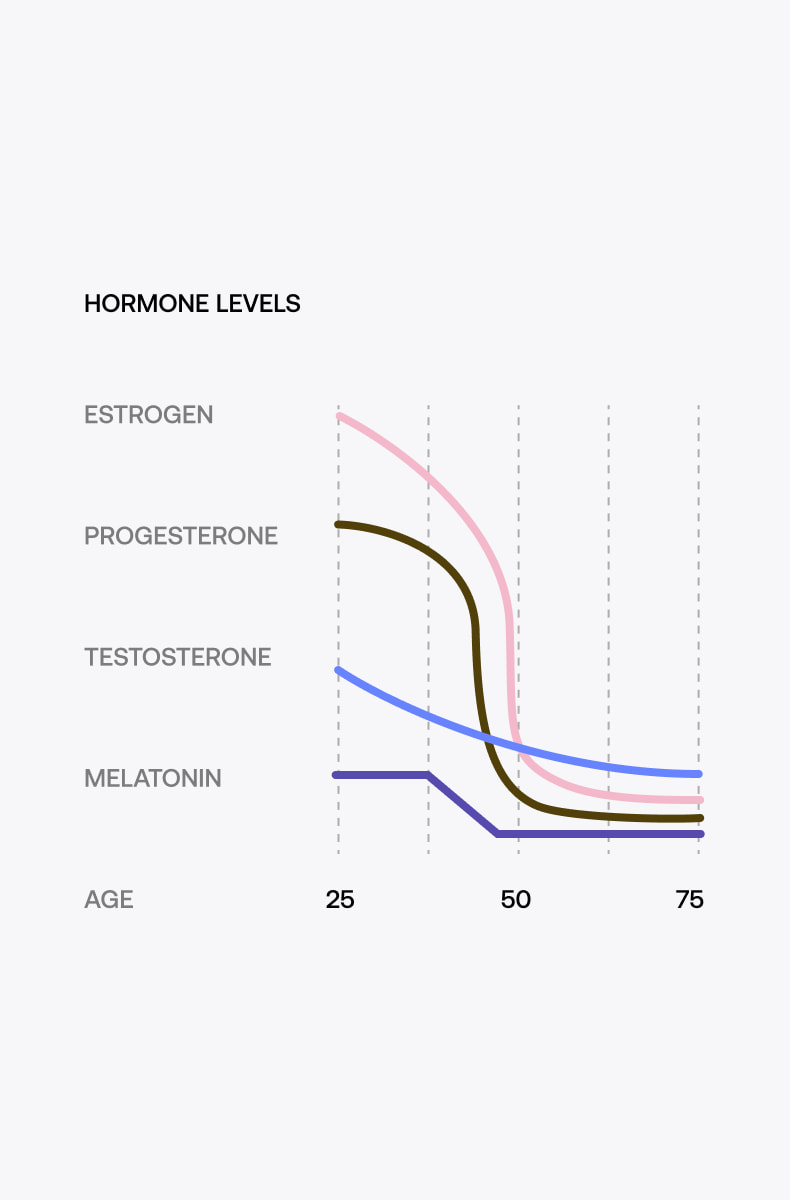
A sharp drop in estrogen and progesterone drives these bodily changes. As lower estrogen diminishes protective cardiovascular effects, women's heart risk post-menopause rises, approaching that of men².

The study's results confirm women's lived experience

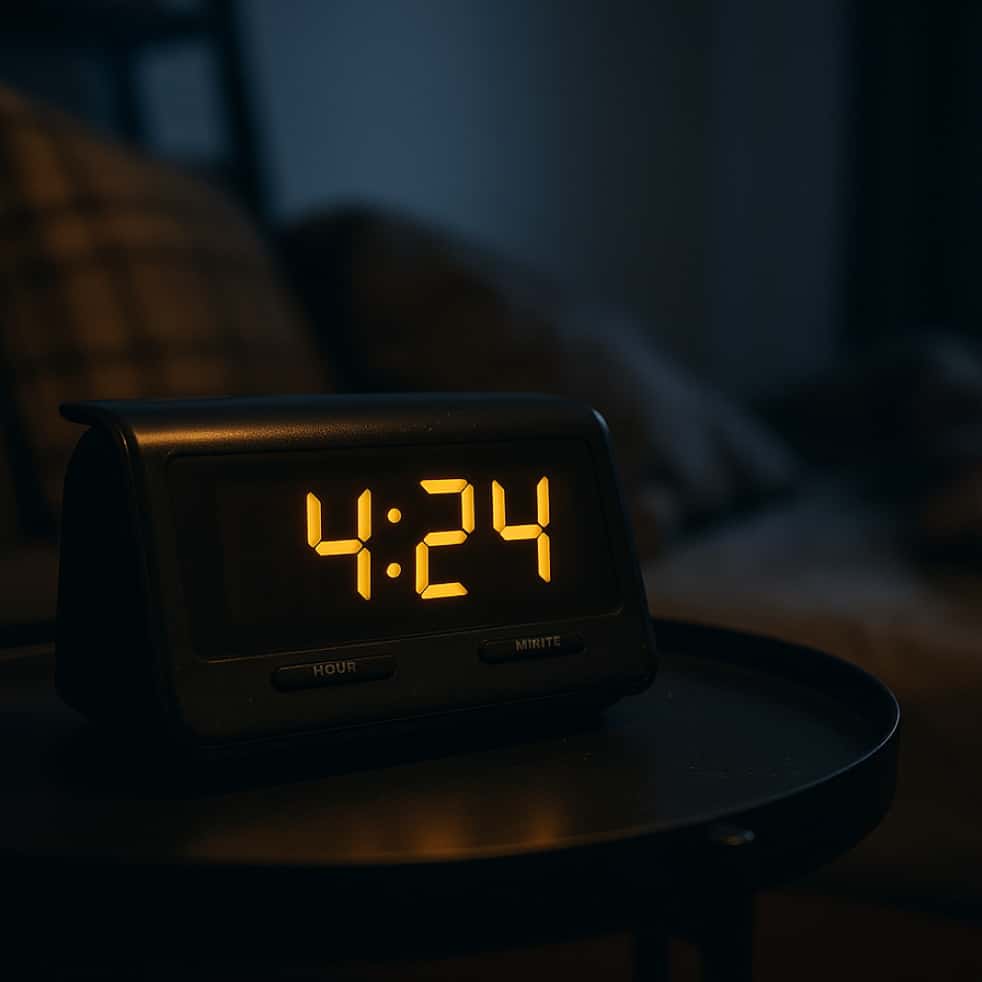
Sleep disorders
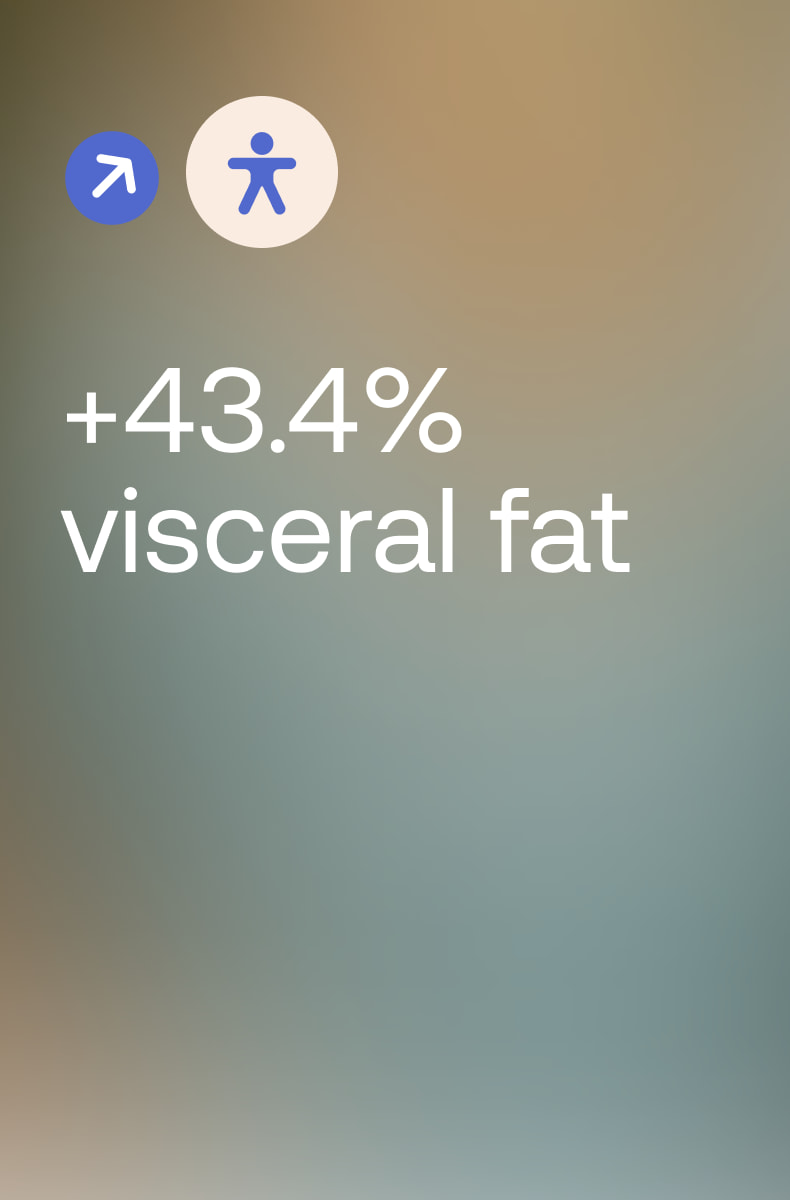
Body composition & weight
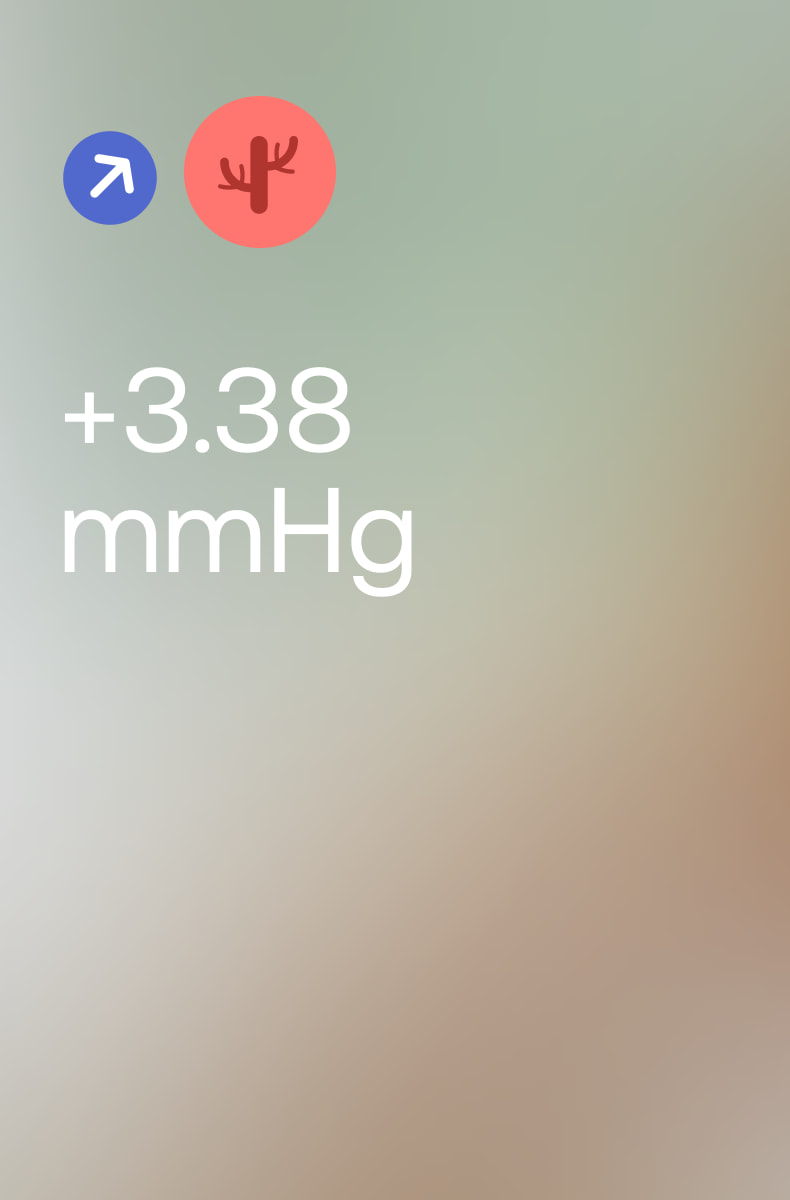
Cardiovascular problems
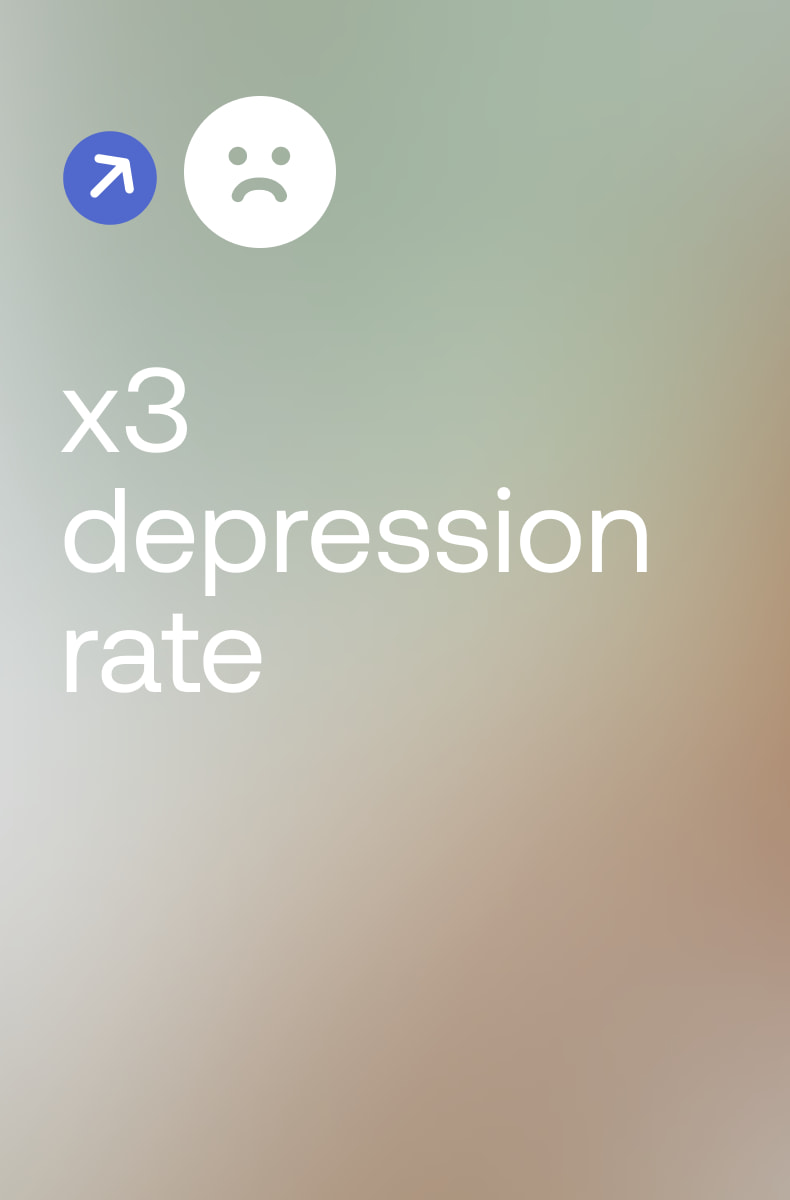
Psychological health

Empowering the menopause journey: Solutions for a smooth transition

Global awareness of menopause's full effects is vital, demanding better early intervention and medical support for women. Informing them that symptoms aren't inevitable is key; support and lifestyle changes, like reversing the 12.5% physical activity decline (ages 45-60), are crucial for managing menopausal health⁵.

"Physical activity improves metabolism, reduces anxiety and depressive disorders, and preserves bone density."

Lidia Delrieu

These benefits directly address significant challenges highlighted by the study, including sleep disorders,

increased abdominal/visceral fat, higher blood pressure, cardiovascular disorders like atrial fibrillation, and greater psychological distress.

It's also vital to monitor the heightened cardiovascular risk during menopause with regular checkups,

for which connected health devices offer invaluable data for thorough cardiovascular and metabolic assessments.

Concrete benefits of physical activity

Limits weight gain
Reduces sleep disorders
Lowers cardiovascular risk
Supports mental well-being

Let women reclaim the power to care for themselves

Get to know (some of) the women at Withings who are driving innovation—so that everyone has the tools to take care of themselves.

Navigate your health with confidence

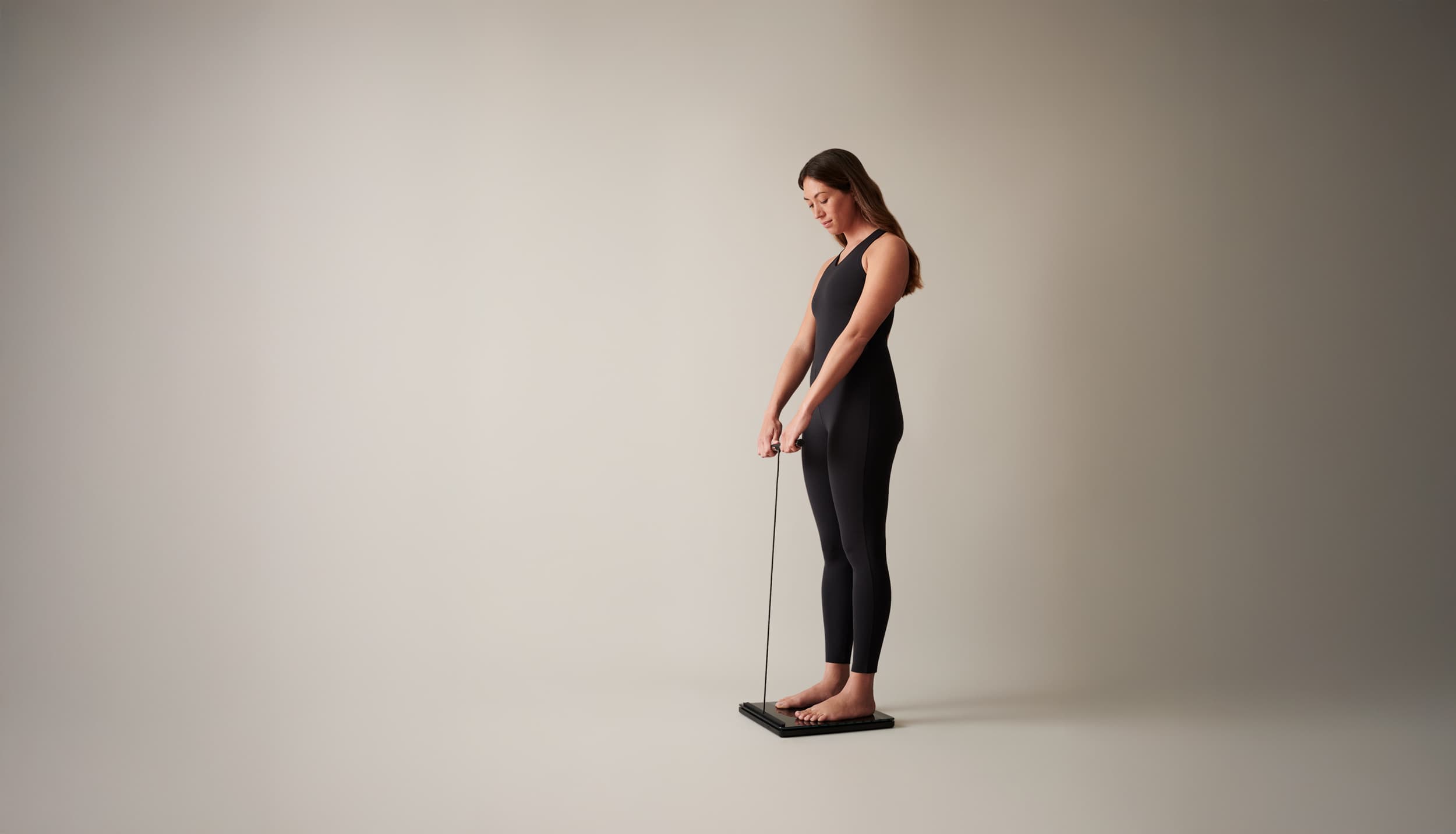
Body Scan offers a holistic view of health, extending beyond weight, by utilizing insights such as segmental body composition, body true age, and ECG to empower targeted action. This allows women to build strength proactively, manage their health, and confidently navigate new life stages with vitality.

Learn more >

Withings

1 Hongwei Ji, Teemu J. Niiranen, Florian Rader, Mir Henglin, Andy Kim, Joseph E. Ebinger, Brian Claggett, C. Noel Bairey Merz and Susan Cheng, Sex Differences in Blood Pressure Associations With Cardiovascular Outcomes, Circulation, 2021;143:761–763 ; Ji H, Kim A, Ebinger JE, Niiranen TJ, Claggett BL, Bairey Merz CN, Cheng S. Sex differences in blood pressure trajectories over the life course. JAMA Cardiol. 2020;5:19–26. doi: 10.1001/jamacardio.2019.5306.

2 Monteleone P, Mascagni G, Giannini A, Genazzani AR, Simoncini T. Symptoms of menopause - global prevalence, physiology and implications. Nat Rev Endocrinol. 2018 Apr;14(4):199-215.

3 Li RX, Ma M, Xiao XR, Xu Y, Chen XY, Li B. Perimenopausal syndrome and mood disorders in perimenopause: prevalence, severity, relationships, and risk factors. Medicine 2016, 95(32).

4 Alblooshi S, Taylor M, Gill N. Does menopause elevate the risk for developing depression and anxiety? Results from a systematic review. Australas Psychiatry. 2023 Apr;31(2):165-173. doi: 10.1177/10398562231165439

5 Hulteen RM, Marlatt KL, Allerton TD, Lovre D. Detrimental Changes in Health during Menopause: The Role of Physical Activity. Int J Sports Med. 2023 Jun;44(6):389-396. doi: 10.1055/a-2003-9406. Epub 2023 Feb 17. PMID: 36807278; PMCID: PMC10467628.


loader newco
loader newco