
Nutritional testing: Track your health with Withings
Withings’ at-home urine analyzer lets you track your nutrition in real-time. It measures vitamin C levels, optimizes your diet, and...
Health
March 3, 2026
If you’ve ever experienced the sharp, radiating pain of a kidney stone, you know it’s an experience you never want to repeat. Often described as one of the most painful medical conditions, kidney stones affect roughly 1 in 10 people.
The good news? What you eat is one of the most powerful tools for prevention. While genetics and hydration play a role, the foods that cause kidney stones are often everyday staples that might be sneaking into your diet in high amounts.
Let's dive into which foods you should watch out for and how to balance your plate to keep your kidneys happy.
The most common type of kidney stone is the calcium oxalate stone. These form when calcium in your urine joins forces with oxalate, a natural compound found in many healthy plants.
You absolutely shouldn’t cut out vegetables entirely, but if you’re prone to kidney stones, it’s worth being mindful of these high-oxalate heavy hitters:
Spinach: One of the most concentrated sources of oxalate.
Rhubarb: Extremely high levels; often best avoided if you're stone-prone.
Beets: Both the roots and the greens are high-oxalate offenders.
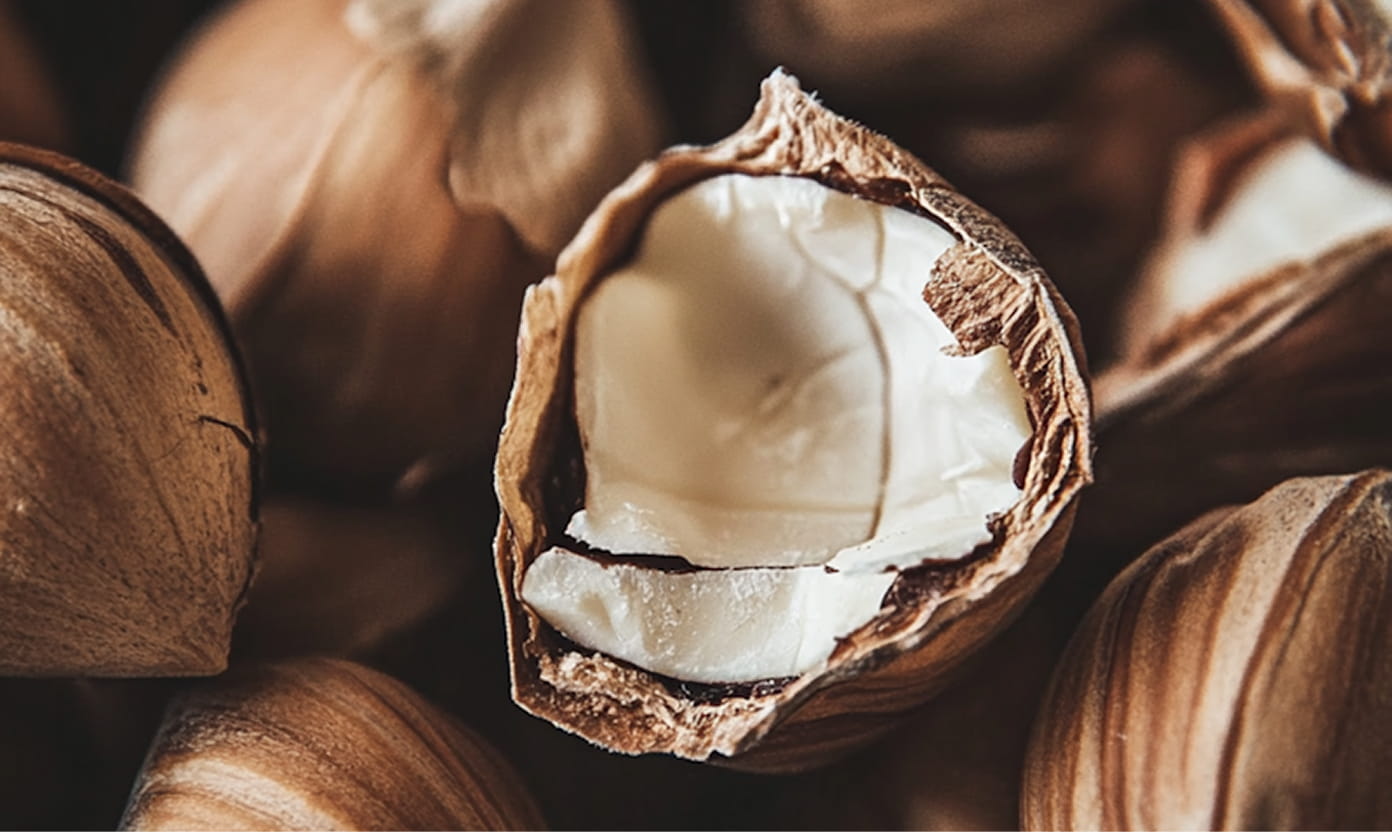
Nuts: Specifically, almonds and cashews.
Chocolate: Sadly, dark chocolate and cocoa powder are high in oxalates.
Pro tip: You don't always have to "quit" these foods. If you eat a high-oxalate food, pair it with a calcium-rich food like yogurt or cheese. The calcium and oxalate will bind together in your stomach before they ever reach your kidneys.
When it comes to kidney stone prevention, salt is often the hidden culprit. High sodium intake forces your kidneys to excrete more calcium into your urine. The more calcium in your urine, the higher the risk of it meeting oxalate and forming a stone.
To lower your risk, keep an eye on these high-sodium sources:
Processed meats: Deli turkey, ham, sausages, and bacon.
Canned soups and vegetables: Always look for "low-sodium" versions.
Fast food and frozen meals: These are often loaded with salt for preservation.
Condiments: Soy sauce, bottled salad dressings, and certain hot sauces.
The National Kidney Foundation recommends aiming for less than 2,300 mg of sodium per day—about one teaspoon of salt.
If you are prone to uric acid stones, the amount of meat on your plate matters. High-protein diets—specifically those heavy in animal proteins—can increase the level of uric acid in your body and decrease levels of citrate, a chemical that actually prevents stones from forming.
Consider limiting your intake of:
Red meat: Beef, lamb, and pork.
Organ meats: Liver and sweetbreads (high in purines).
Shellfish: Mussels, crab, and shrimp.
Poultry and eggs: While leaner, they still contribute to urine acidity in large amounts.
Try incorporating “Meatless Monday” into your routine, where you eat plant-based proteins like lentils, beans, or tofu, which are much gentler on the kidneys.
It's not just what you eat; it's what you sip. Studies from Harvard Health show that sugar-sweetened beverages, especially those with high-fructose corn syrup, are strongly linked to stone formation.
Soda (cola): Many dark sodas contain phosphoric acid, which can contribute to stone formation.
Sweetened teas: Often contain both sugar and oxalates.
Fruit juices: While some are okay, excessive amounts of apple or grapefruit juice can increase risk.
No matter what you eat, the single most effective way to prevent stones is to drink plenty of water. Aim for enough fluid intake to produce about 2.5 liters of urine a day. Adding a squeeze of fresh lemon to your water can also help; not only does it add a fresh taste to your water, but the citrate in lemons helps block stone formation.
Nutritional testing: Track your health with Withings
Withings’ at-home urine analyzer lets you track your nutrition in real-time. It measures vitamin C levels, optimizes your diet, and...

Kidney stones: Symptoms, causes & diagnosis
Discover how kidney stones form and how Withings can help you better track your health and prevent their development.

10 Easy Ways to Improve Health
If you want to improve your health but find yourself short on time or unable to make a huge commitment, consider these 10 easy tips to help...

Join millions of users who are improving their health with Withings. Sign up to discover the entire Withings ecosystem, our latest products, and exclusive offers.
By registering, you agree to receive advertising e-mails from Withings. However, if you change your mind, you can unsubscribe at any time.
