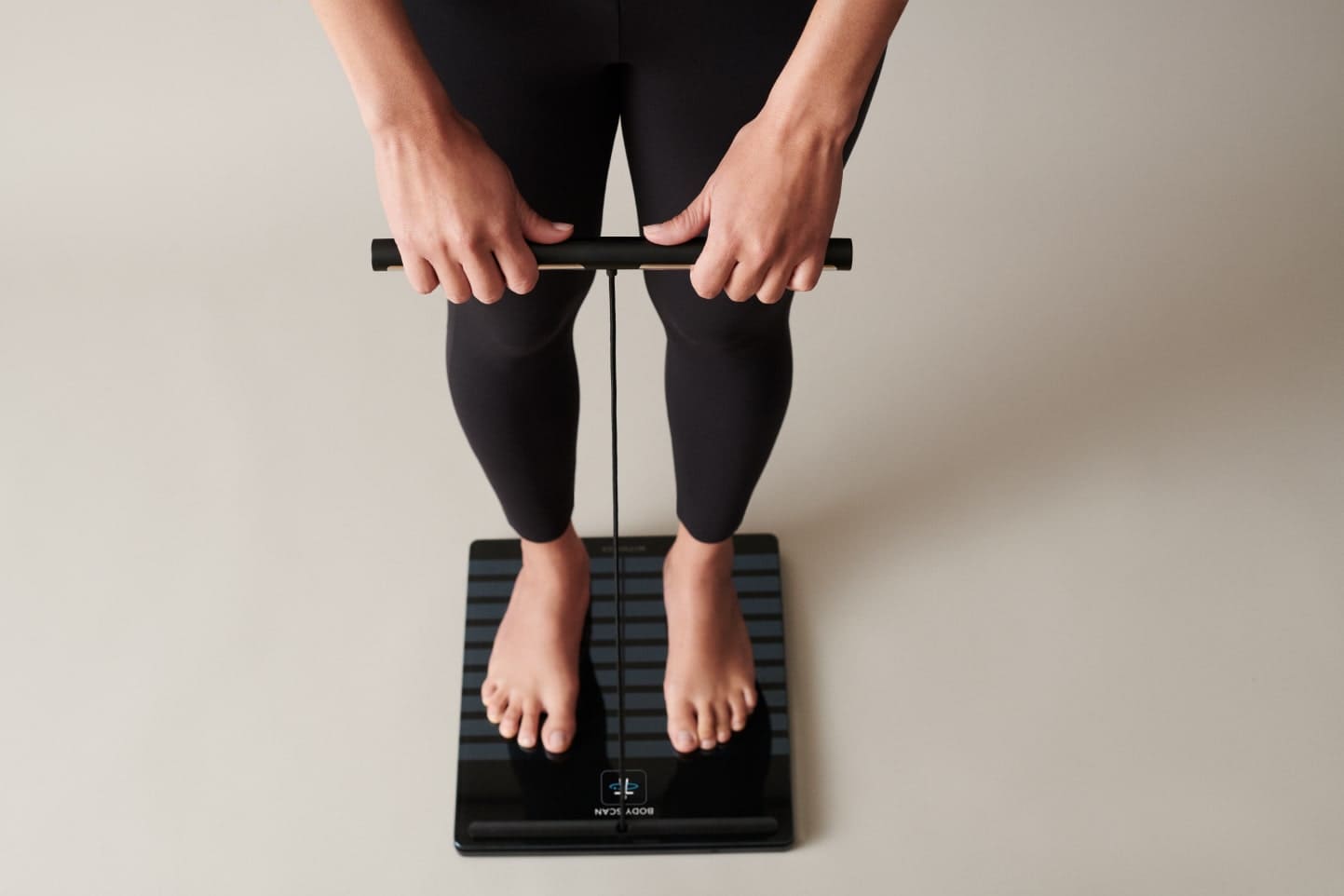
Body Fat Scales: Accurate Health Tracking
Discover our body fat scales from Withings. Accurately track your body composition and reach your fitness goals with advanced technology...
Weight
Last edit: November 13, 2025
April 26, 2018
With the saltiness of potato chips—minus the extra calories—pickles are often considered the perfect guilt-free snack. But with claims that pickles can both cause and prevent cancer, the research behind the healthiness of this crunchy treat is inconclusive at best. So without further ado, let’s open a jar of truth on our favorite sandwich garnish.
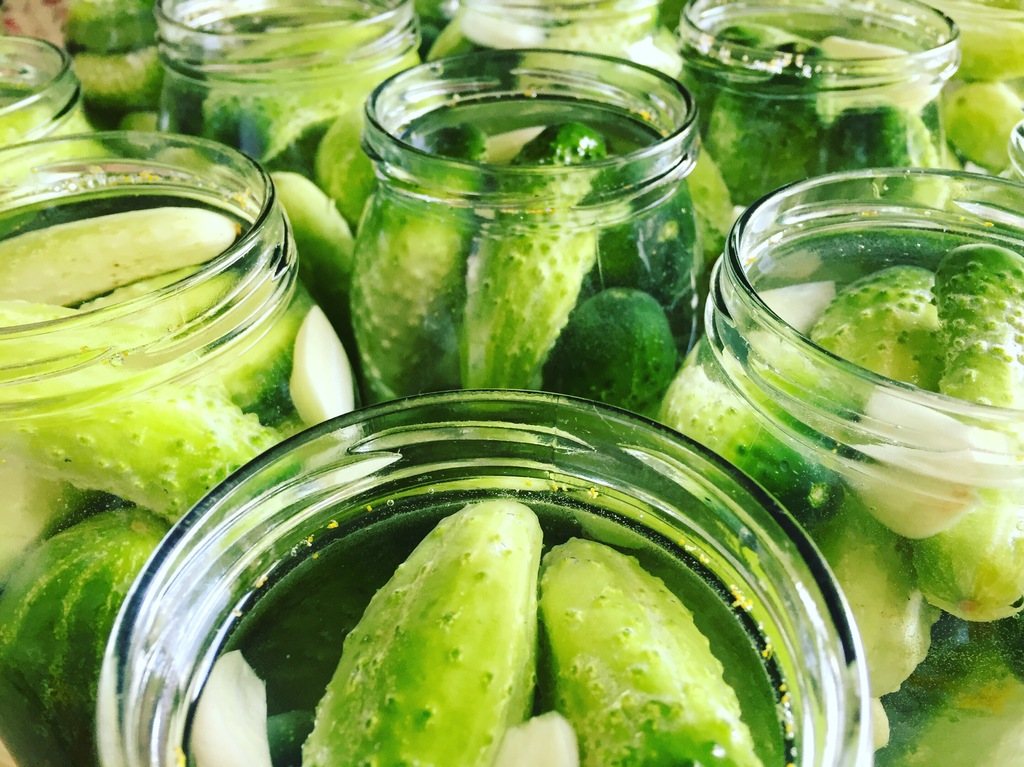
To fully understand the controversy surrounding the healthfulness of pickles, it’s important to note that not all pickles are created equal. In fact, there are two main methods used to preserve foods and to make pickles: pickling and fermentation. According to Further Food, “All fermented foods are pickled, but not all pickled foods are fermented.” So what’s the difference?
Well, according to the English Oxford Dictionary, fermentation is “the chemical breakdown of a substance by bacteria, yeast, or other microorganisms.” In other words, when a food is fermented, it is submerged in brine, sealed in a container, and left to sit for an extended period of time, during which microbes break it down and change its chemical composition. When pickles are made through fermentation, they retain some of those microorganisms, or probiotics, which can be beneficial to your digestive system.
Pickling, on the other hand, is a process by which a food is cleaned and stored using vinegar, which is a disinfectant. This means that when an item is pickled using the “pickling” method, it does not have the same beneficial bacteria and microbes. In general, this is the process used to make store-bought pickles, while homemade pickles tend to undergo the fermentation process.
This means that when it comes to the debate over whether or not pickles are healthy, it depends entirely on how the pickles were made. So, to break it down, we’ll look into the four main questions that the pickle conundrum poses: Do pickles cause cancer? Are they good for weight loss? Do they have any health benefits? Do they have any negative side effects?
Unfortunately, the answer to this question is complicated. According to the Journal of Food and Drug Analysis, “N-nitroso compounds (NCOs)” and “mycotoxins” are a byproduct of fermented pickles, and can be carcinogenic. This means that it is likely that they contribute to stomach cancer. However, the Journal of Functional Foods also notes that fermented foods contain nutrients that are “naturally fortified,” and contain anti-microbial properties that can help destroy cancer-causing pathogens in the body.
When it comes to most store-bought pickles (made through the pickling process), the same problem still stands—but for a different reason. While they don’t contain the same cancer-causing carcinogens of fermented pickles, they do have extremely high levels of sodium, which, according to the National Center for Biotechnology Information, can “increase the risk of stomach cancer.”
Because of their low caloric value, unsweetened pickles can make a nice snack for individuals who are trying to lose weight by controlling their calorie intake. Unfortunately, the weight loss pickle is double-sided. Because they contain such high levels of sodium, pickles cause you to retain water, which can make you look and feel bloated. On the bright side, there are low-sodium pickles, so this setback can be worked around.
With all of the mixed reviews that research on pickles has produced, it may surprise you to learn that a 2015 study, conducted by researchers from the College of William and Mary, found that pickles can actually help to reduce anxiety. According to Science Daily, Dr. Matthew Hillmire stated, “It is likely that the probiotics in the fermented foods are favorably changing the environment in the gut, and changes in the gut in turn influence social anxiety.” He added that he finds it “absolutely fascinating that the microorganisms in your gut can influence your mind.”
As mentioned above, there are a few negative effects of consuming the high levels of sodium in both pickled and fermented pickles. However, in addition to increasing the risk of stomach cancer and causing bloating, too much salt can contribute to cardiovascular problems. According to the American Heart Association, a diet that is too high in sodium can cause hypertension, or high blood pressure. They suggest consuming “no more than 1,500 mg per day”—the equivalent of only six dill-pickle spears.
So, if you relish the taste of a good pickle, you’ll have to determine how you feel about the pickle dill-emma for yourself.
Body Fat Scales: Accurate Health Tracking
Discover our body fat scales from Withings. Accurately track your body composition and reach your fitness goals with advanced technology...

Healthy body composition: What it is and how to improve it
What is body composition? Learn how to measure it, what defines a healthy body composition, and tips to improve your fat, muscle, and water...

10 Expert Sleep Tips from Dr.
Having trouble falling—or staying—asleep? We asked a doctor who specializes in sleep to give us his top tips for a restful night.

Join millions of users who are improving their health with Withings. Sign up to discover the entire Withings ecosystem, our latest products, and exclusive offers.
By registering, you agree to receive advertising e-mails from Withings. However, if you change your mind, you can unsubscribe at any time.
