FDA cleared
Body Pro 2 for diabetes care
Join the revolution of diabetes care by measuring electrochemical skin conductance. This simple measurement may help in the early detection of diabetic peripheral neuropathy and reduce the risk of developing diabetic foot ulcers.¹
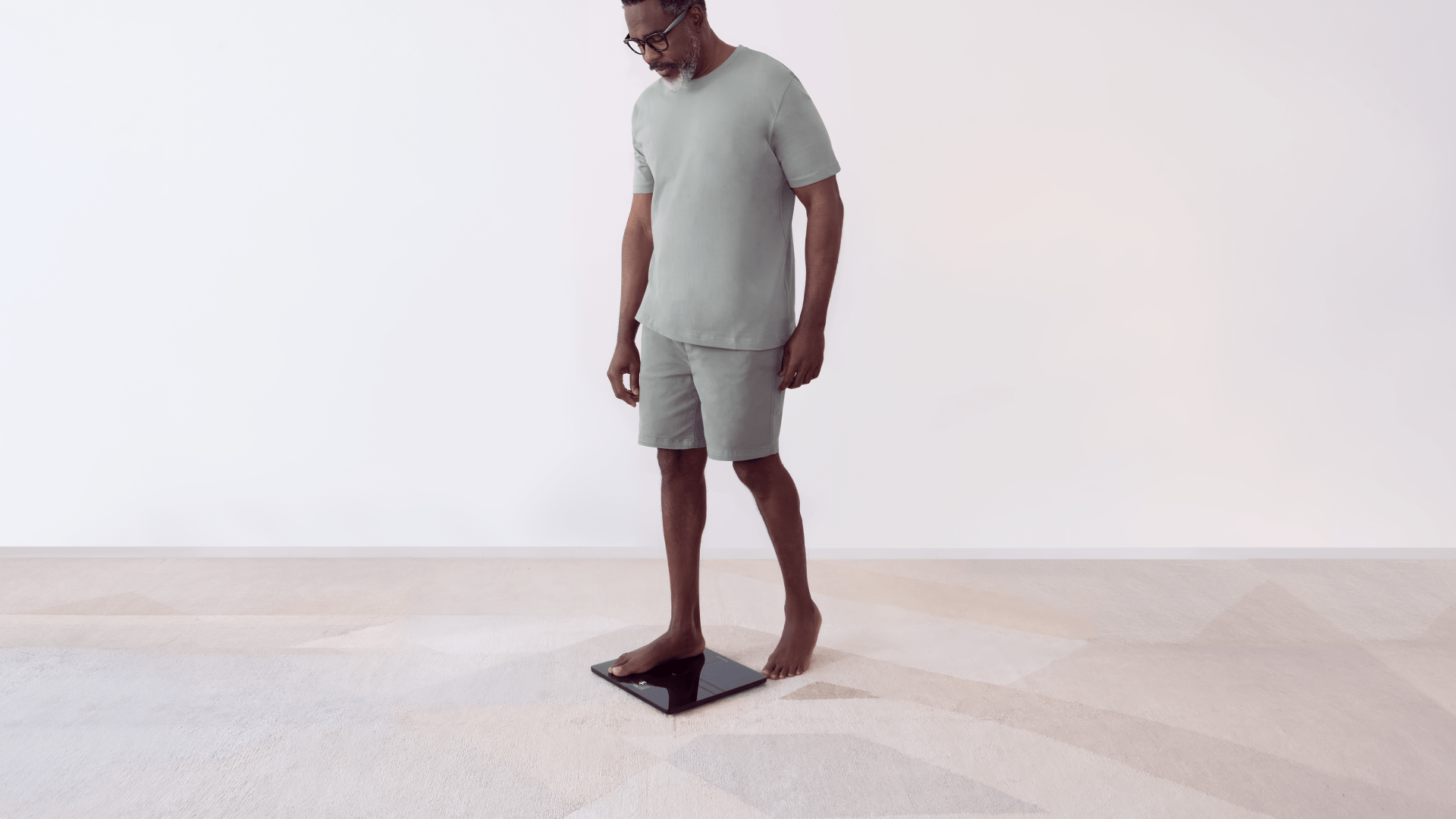
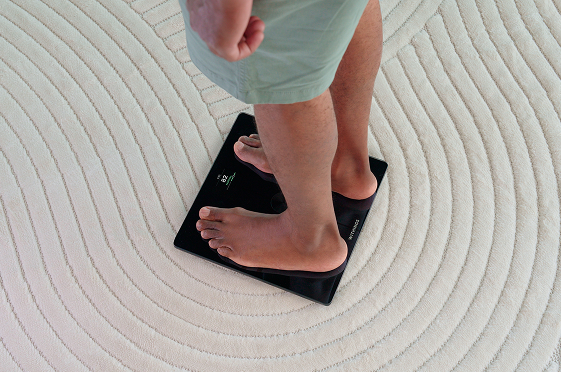
Up to 70% of patients with diabetes will be affected by diabetic peripheral neuropathy (DPN) in their lifetime and 50% of them may be asymptomatic.²
Diabetic peripheral neuropathies are a crucial indicator of foot ulcer risk, yet there is a lack of reliable, non invasive, rapid and easy to use tools to identify these neuropathies. ² ³
Body Pro 2 shapes the future of diabetes care with electrochemical skin conductance, a noninvasive measurement that may allow doctors to detect early signs of diabetic peripheral neuropathy and help in the assessment of diabetic foot ulcers. ⁴ ⁵ ⁶
Discover the technology behind Electrochemical Skin Conductance
How does it work?
Impeto Medical (part of Withings since 2021) invented Sudoscan®, an FDA approved test that is considered the gold standard in measuring electrochemical skin conductance (ESC).
Sudoscan® is a reproducible and objective test that measures electrochemical skin conductance for diabetic peripheral neuropathy (small fiber neuropathy) detection.⁷
Small fiber neuropathies (SFN) are the first & earliest complications due to diabetes that appears and it is critical to detect them early.⁸
An equivalence study was conducted and validated on the repeatability and reproducibility of Withings Scale’s ESC measurement compared to Sudoscan®.
To learn more about the excellent outcomes read the medical study.

Internal study on Withings database
94% of Withings scales are still being used after one year.
Patient engagement
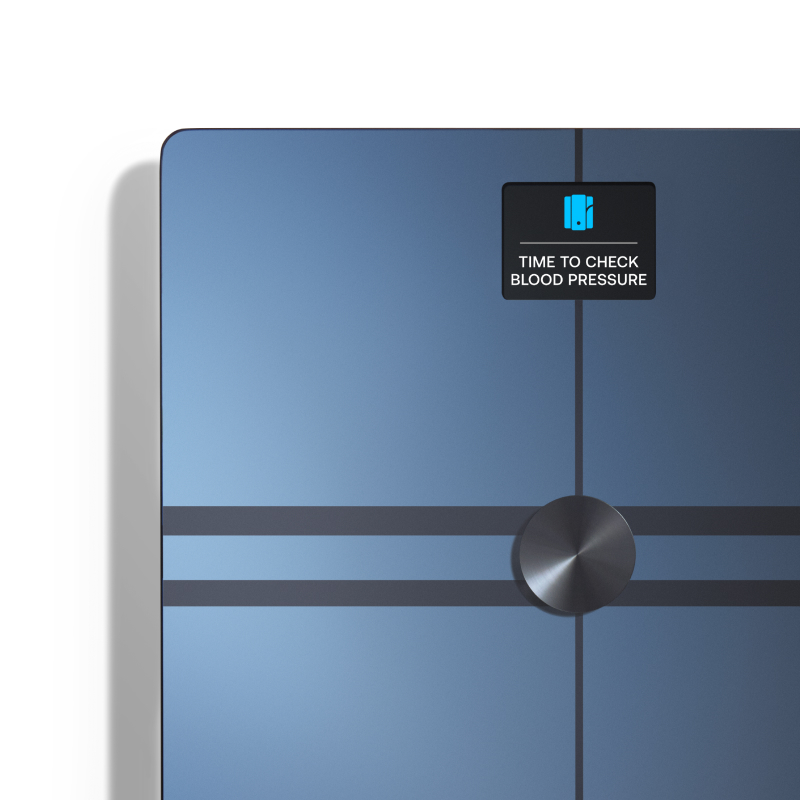
Communicate with your patients when they are the most involved
With health nudges, Body Pro 2 ESC is now a platform that helps keep your patients engaged and sends them reminders to stay on track with their health program.
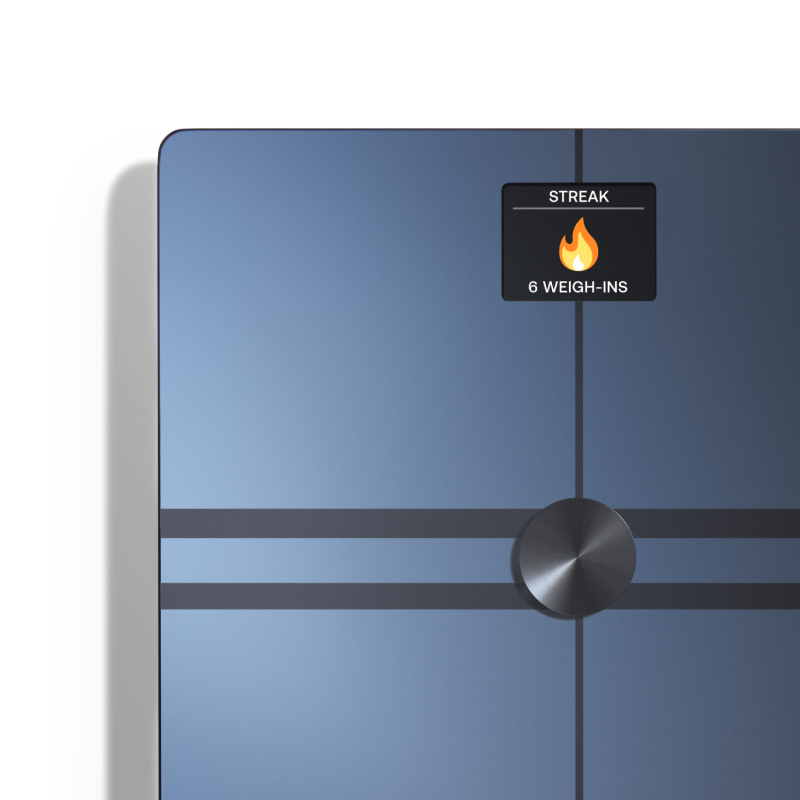
Motivate patients with an anxiety free weigh-in experience
53% of women and 27% of men reported that weighing themselves affected their mood.¹ Patients should receive motivational messages that encourage them in their health journey. The Eyes-Closed Mode was developed in partnership with an obesity clinic and a psychologist to enable weighing without displaying the number.
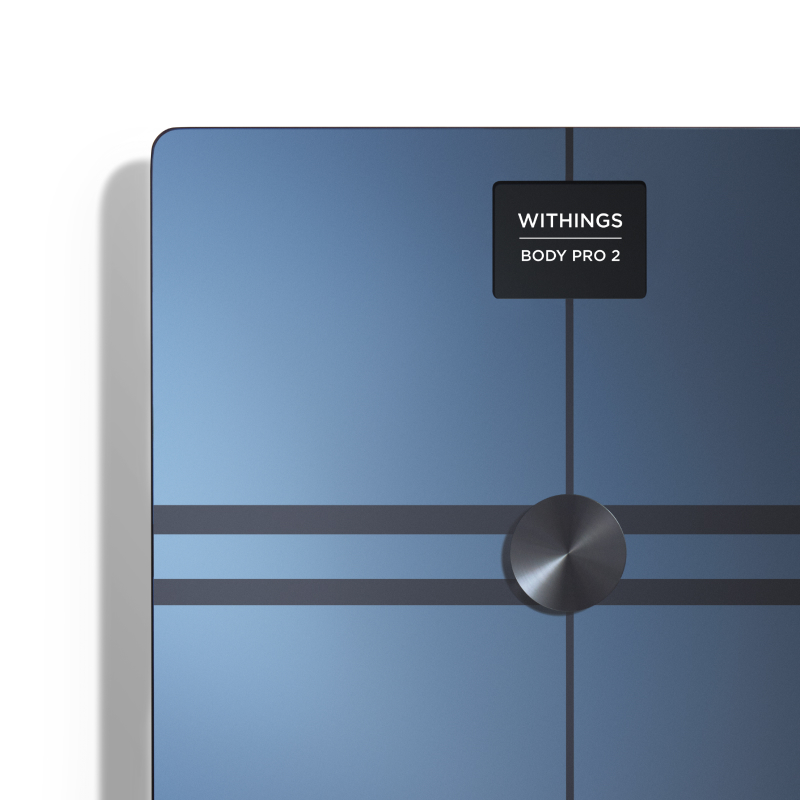
Smart design and tech for a user-friendly health product
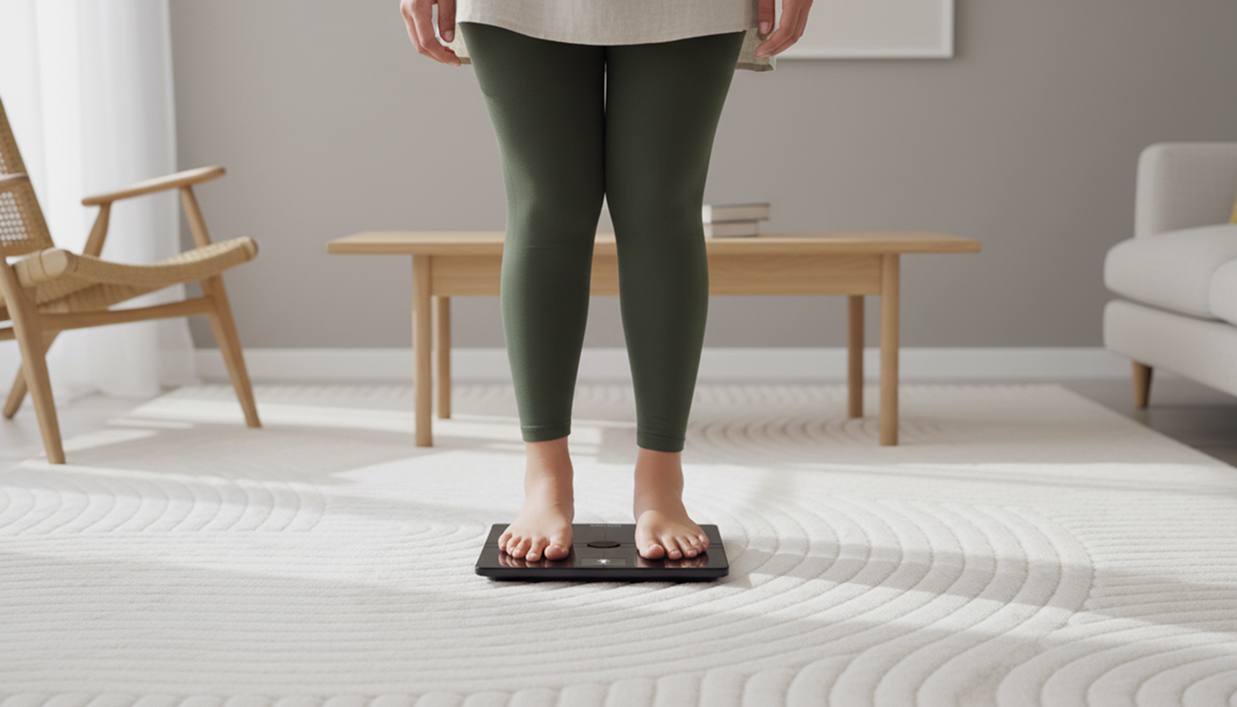
Small vibrations notify the patient when the measurement is complete. The non-slip surface with grip feet provides reassurance when patients step on the scale. The battery lasts up to 12 months, allowing patients to use the scale consistently without interruption.
Enhancing healthcare standards through a pioneering partner experience

Empowering our partners with time and confidence
ProgramMemberID is a new algorithm that generates an accurate probability score to determine whether the person stepping on the scale is the registered member.
Tracked biomarkers
Weight
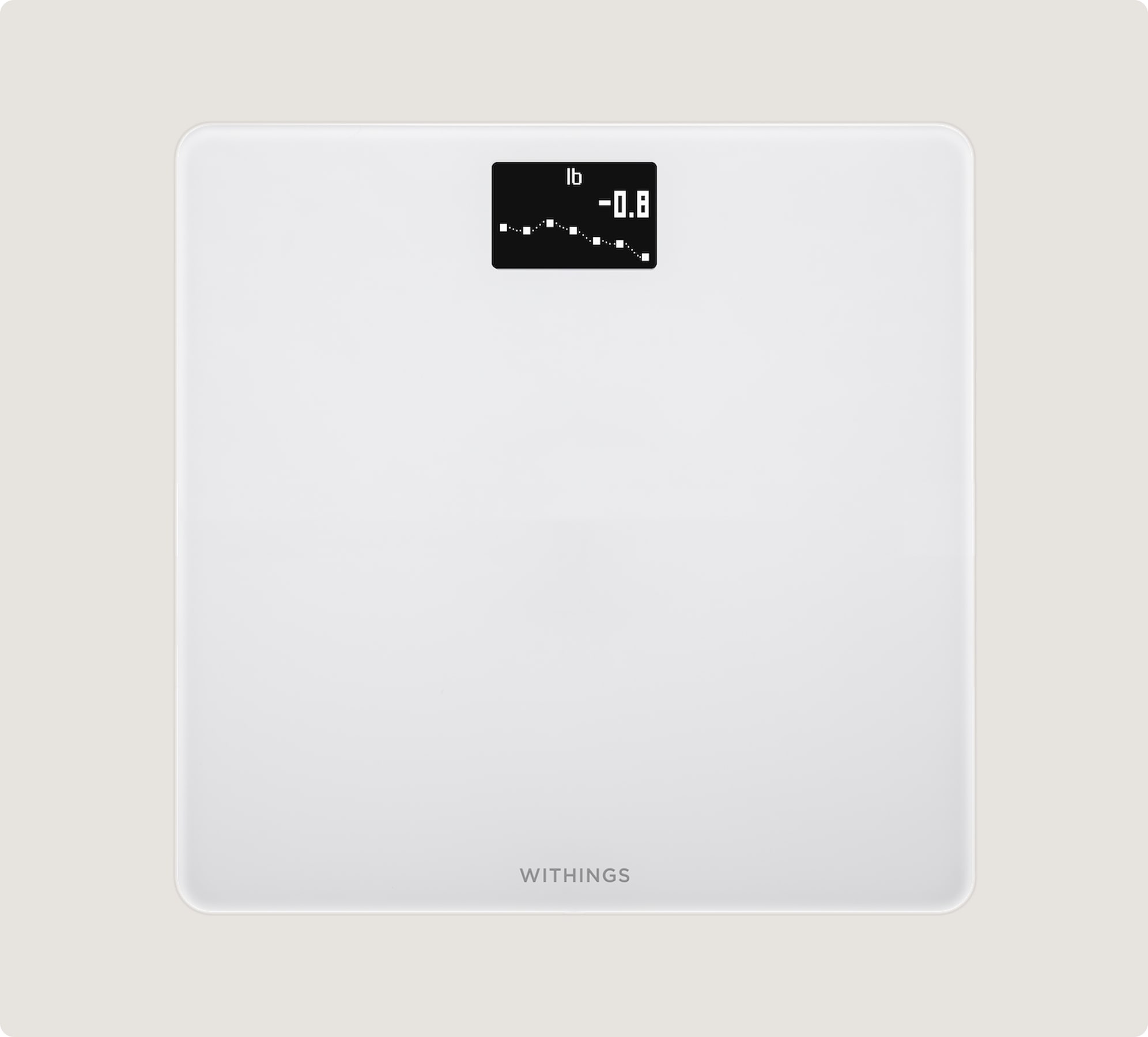
Get consistent and precise weight measurements (50 g / 0.1 lb) with our patented position technology. Patients can easily track their weight trends on the scale’s high-visibility color screen.
BMI
Easily determine whether your patients are on the right track with their BMI (Body Mass Index) calculation.
Body Composition
Monitor weight (kg, lb, st lb), BMI and full body composition (whole body fat, muscle mass, water percentage and bone mass) thanks to Withings Precision Technology™.
Electrochemical Skin Conductance
Measuring electrochemical skin conductance may help in the early detection of diabetic peripheral neuropathy and reduce the risk of developing diabetic foot ulcers.²
Elevating your program’s accuracy and reliability

Best-in-class accuracy via Position Control TechnologyTM, a patented body position detector.
Grip feet: the scale is equipped with grip feet to ensure its stability.
Gravity compensation: the scale is calibrated considering users’ geographic location to apply the right gravity compensation.
High precision sensors: up to 0.1 lbs. Using performing load cells circuits, Body Pro 2 gives highly accurate weight measurements.
Reliable cellular connectivity
With cellular connectivity—in addition to Wi-Fi and Bluetooth—you can be sure that the data you need to improve the health of your patients will be accurately collected for all populations.
Our fallback option, the Connect Assistant app, enables Wi-Fi and Bluetooth connectivity for users who don’t have access to reliable cellular networks. Continuously, securely and seamlessly, the data is transferred via your selected data connection option into our cloud, so you can access the data from your interface of choice.
Learn about data integrationRelated devices
Interested in partnering with Withings Health Solutions?
We take pride in operating with integrity, and obtaining and maintaining EC and REACH declarations are of the utmost importance to us. Compliance documents are available for download for each of our products.
References
1. 1. Kelley Newlin Lew et al., « Diabetes Distal Peripheral Neuropathy: Subtypes and Diagnostic and Screening Technologies », Journal of Diabetes Science and Technology 16, no 2 (march 2022): 295‑320, https://doi.org/10.1177/19322968211035375
2. 2. Carolina M. Casellini et al., « Sudoscan, a Noninvasive Tool for Detecting Diabetic Small Fiber Neuropathy and Autonomic Dysfunction », Diabetes Technology & Therapeutics 15, no 11 (novembre 2013): 948‑53, https://doi.org/10.1089/dia.2013.0129
3. Ally McIllhatton et al., « Reliability of Recommended Non-Invasive Chairside Screening Tests for Diabetes-Related Peripheral Neuropathy: A Systematic Review with Meta-Analyses », BMJ Open Diabetes Research and Care 9, no 2 (1 décembre 2021): e002528, https://doi.org/10.1136/bmjdrc-2021-002528
4. David J. Margolis et al., « Economic Burden of Diabetic Foot Ulcers and Amputations: Data Points #3 », in Data Points Publication Series (Rockville (MD): Agency for Healthcare Research and Quality (US), 2011), http://www.ncbi.nlm.nih.gov/books/NBK65152
5. Bordier, Lyse, Manuel Dolz, Linsay Monteiro, Marie-Laure Névoret, Jean-Henri Calvet, et Bernard Bauduceau. « Accuracy of a Rapid and Non-Invasive Method for the Assessment of Small Fiber Neuropathy Based on Measurement of Electrochemical Skin Conductances ». Frontiers in Endocrinology 7 (29 février 2016): 18. https://doi.org/10.3389/fendo.2016.00018
6. J. H. Calvet et al., « Assessment of Small Fiber Neuropathy through a Quick, Simple and Non Invasive Method in a German Diabetes Outpatient Clinic », Experimental and Clinical Endocrinology & Diabetes: Official Journal, German Society of Endocrinology [and] German Diabetes Association 121, no 2 (février 2013): 80‑83, https://doi.org/10.1055/s-0032-1323777
7. Carolina M. Casellini et al., « Sudoscan, a Noninvasive Tool for Detecting Diabetic Small Fiber Neuropathy and Autonomic Dysfunction », Diabetes Technology & Therapeutics 15, no 11 (novembre 2013): 948‑53, https://doi.org/10.1089/dia.2013.0129
8. Kelley Newlin Lew et al., « Diabetes Distal Peripheral Neuropathy: Subtypes and Diagnostic and Screening Technologies », Journal of Diabetes Science and Technology 16, no 2 (mars 2022): 295‑320, https://doi.org/10.1177/19322968211035375
9. Hahn, S. L. et al. Self-weighing among young adults: who weighs themselves and for whom does weighing affect mood? A cross-sectional study of a population-based sample. J. Eat. Disord. 9, 37 (2021).
FAQ
What is the electrochemical skin conductance (ESC)?
Electrochemical skin conductance (ESC) is a non-invasive measurement that assesses sweat gland function, which is closely linked to small fiber nerve activity.
How does Body Pro 2 measure the ESC?
Withings Body Pro 2 integrates this measurement directly into a smart scale, allowing patients to capture their ESC data simply by stepping on the device, no additional equipment or clinical visit required. The technology is derived from Sudoscan®, invented by Impeto Medical (part of Withings since 2021) and considered the gold standard for ESC measurement.
Can Body Pro 2 help detect diabetic peripheral neuropathy early?
The ESC measurement integrated in Body Pro 2 may help in the early detection of diabetic peripheral neuropathy (DPN), particularly small fiber neuropathy, which is the earliest complication to appear in diabetic patients. Up to 70% of patients with diabetes will be affected by DPN in their lifetime, and 50% may be asymptomatic, making early, passive screening critical. An equivalence study validated the repeatability and reproducibility of the scale's ESC measurements compared to Sudoscan®.
What biomarkers does Withings Body Pro 2 track?
Beyond electrochemical skin conductance, Body Pro 2 tracks a comprehensive set of biomarkers: weight (with 50g/0.1lb precision), BMI, and full body composition including fat mass, muscle mass, water percentage, and bone mass.
How does Body Pro 2 support patient engagement in diabetes care programs?
Patient engagement is built into every aspect of Body Pro 2 experience. The device acts as a communication platform, sending health nudges and timely reminders that keep patients on track with their care program. To further reduce barriers to consistent monitoring, the Eyes-Closed Mode allows patients to weigh themselves without seeing the number, turning what can be an anxiety-inducing moment into a positive one. Thoughtful hardware details reinforce this seamless experience: small vibrations notify patients when their measurement is complete, and a 12-month battery life eliminates interruptions. The result speaks for itself, 94% of Withings scales are still actively used after one year.
What connectivity options does Body Pro 2 offer for remote patient monitoring?
Body Pro 2 supports cellular, Wi-Fi, and Bluetooth connectivity, ensuring reliable data transmission across diverse patient populations. For users without stable cellular networks, the Connect Assistant app serves as a fallback. All data is transferred securely and seamlessly to the Withings cloud, and can then be accessed through your platform of choice via API integration.
Is Body Pro 2 FDA cleared?
Yes, Body Pro 2 is FDA cleared for the ESC measurement. It is designed for use by healthcare organizations and clinical programs seeking a reliable, non-invasive tool for diabetes management, including the assessment of diabetic foot ulcer risk and early neuropathy screening.
