RPM Insights From Family Health Centers of San Diego
Articles
Last edit: January 13, 2026
May 8, 2025
Family Health Centers of San Diego (FHCSD) has long been a cornerstone in providing accessible healthcare to underserved communities. Recently, the organization has embraced innovative virtual care strategies to better manage chronic conditions like hypertension and diabetes. In this interview, Jacqueline Poblete, a representative from FHCSD shares insights on their mission, the impact of remote patient monitoring (RPM), and the future of virtual healthcare.
Improving Chronic Disease Care Through Remote Monitoring: An Interview with Family Health Centers of San Diego
As healthcare systems evolve, organizations are increasingly turning to technology to improve patient care, which can be particularly impactful for underserved communities. Family Health Centers of San Diego (FHCSD) stands at the forefront of this transformation, using innovative virtual care solutions to enhance the management of chronic conditions like hypertension and diabetes. In this interview, we spoke to Jacqueline Poblete, Digital Health Program Supervisor, to discuss the organization’s mission, its recent efforts to optimize virtual care through remote patient monitoring, and the positive impact this technology has had on both patients and healthcare providers. Through their commitment to accessible, high-quality healthcare, FHCSD is paving the way for a more inclusive and efficient future in healthcare delivery.
Q: Can you start by telling us a bit about Family Health Centers of San Diego?
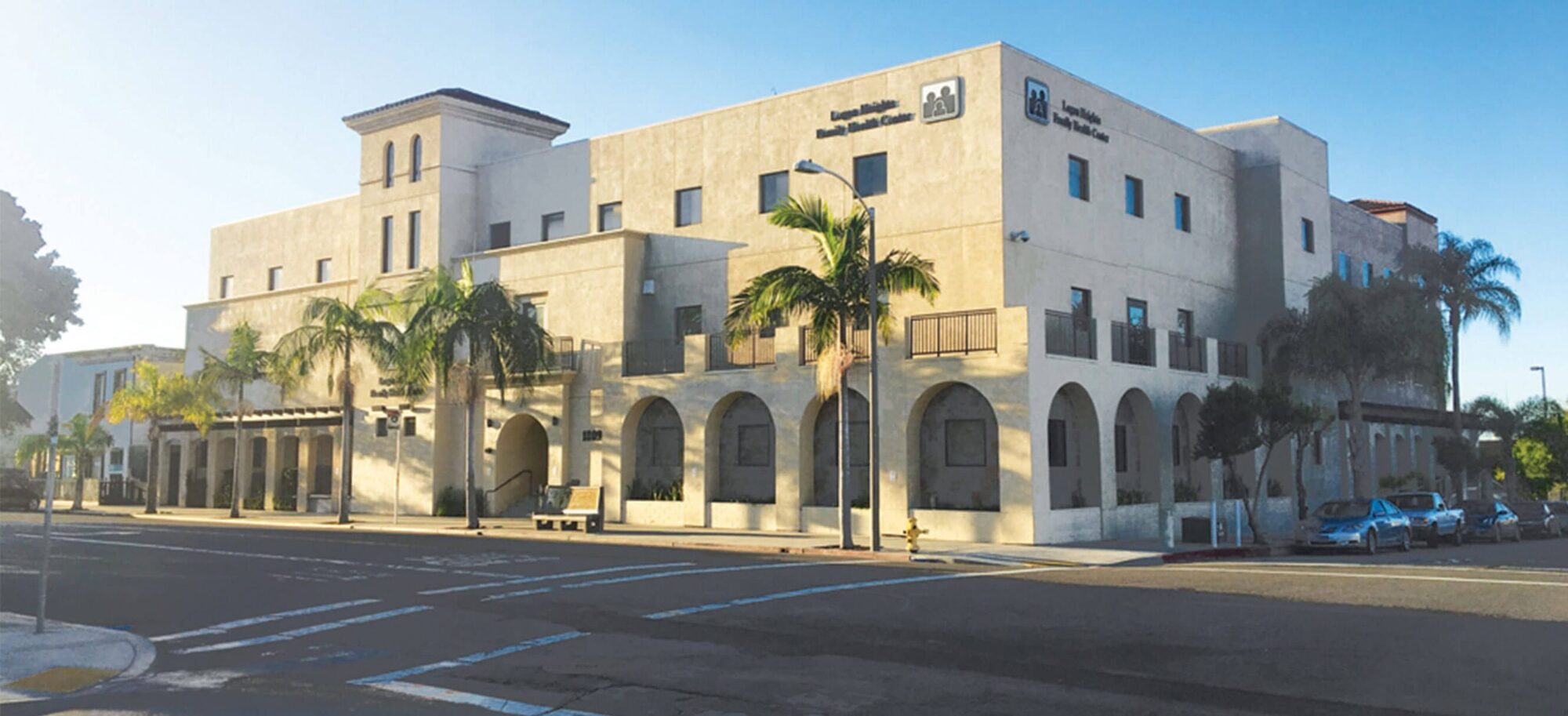
A: Absolutely. Family Health Centers of San Diego is a large urban health center, and we’re proud to be one of the nation’s ten largest Federally Qualified Health Centers (FQHC). Our mission is to provide caring, affordable, high-quality healthcare and supportive services to everyone especially to uninsured, low-income, and medically underserved people.
Q: How has FHCSD been involved in virtual care innovations?
A: In 2022, we received funding through a HCCN (Health Center Controlled Network) grant called Optimizing Virtual Care. The purpose of this initiative is to help FQHCs enhance the quality of care they deliver by leveraging virtual care technologies.
Q: What role has remote patient monitoring played in your care model?
A: Remote patient monitoring, or RPM, has made a significant impact especially in managing chronic conditions like hypertension and diabetes. It allows for continuous monitoring, which improves clinical outcomes and helps patients stay engaged in their care. We’ve seen increased adherence with monitoring routines, and what’s great is that it doesn’t require patients to physically come into the office for every check-in.
Q: How have your patients responded to this technology?
A: Our patients have responded very positively. Many appreciate the ability to track their health from the comfort of their own home. There’s also peace of mind in knowing their data is being received and reviewed by their healthcare team. If a critical reading is detected, someone will reach out to them, which adds a layer of security and connection.
Q: What’s next for FHCSD in terms of virtual care?
A: We’re committed to continuing our investment in digital health solutions that help remove barriers to care. Remote patient monitoring is just one piece of the puzzle, we’re always exploring new tools and strategies to support the communities we serve.
Interested in partnering with us?