Infographic: Streamlining Remote Blood Pressure Monitoring Workflows
Infographic
Last edit: April 16, 2026
January 9, 2025
How Can Remote Blood Pressure Monitoring Simplify Hypertension Care and Improve Workflow Efficiency?
Remote blood pressure monitoring is transforming hypertension care by providing more data, to allow care teams to provide timely interventions. According to the Centers for Disease Control, nearly 48% of Americans had hypertension according to the most recent available data in 2023. With hypertension having such a high prevalence, it is critical that the way it is treated be scalable.
Remote blood pressure monitoring provides more data for care teams to monitor progression of disease and detect critical changes. It removes the limitations of clinic visits and can reduce barriers for patients such as transportation or childcare needs. Yet, implementing a remote blood pressure monitoring program can feel daunting operationally. Care teams may be unsure how to address staffing needs to complete the necessary outreach calls to clarify and respond to high readings. Concerns about changes to workflows during already stretched time can cause hesitation.
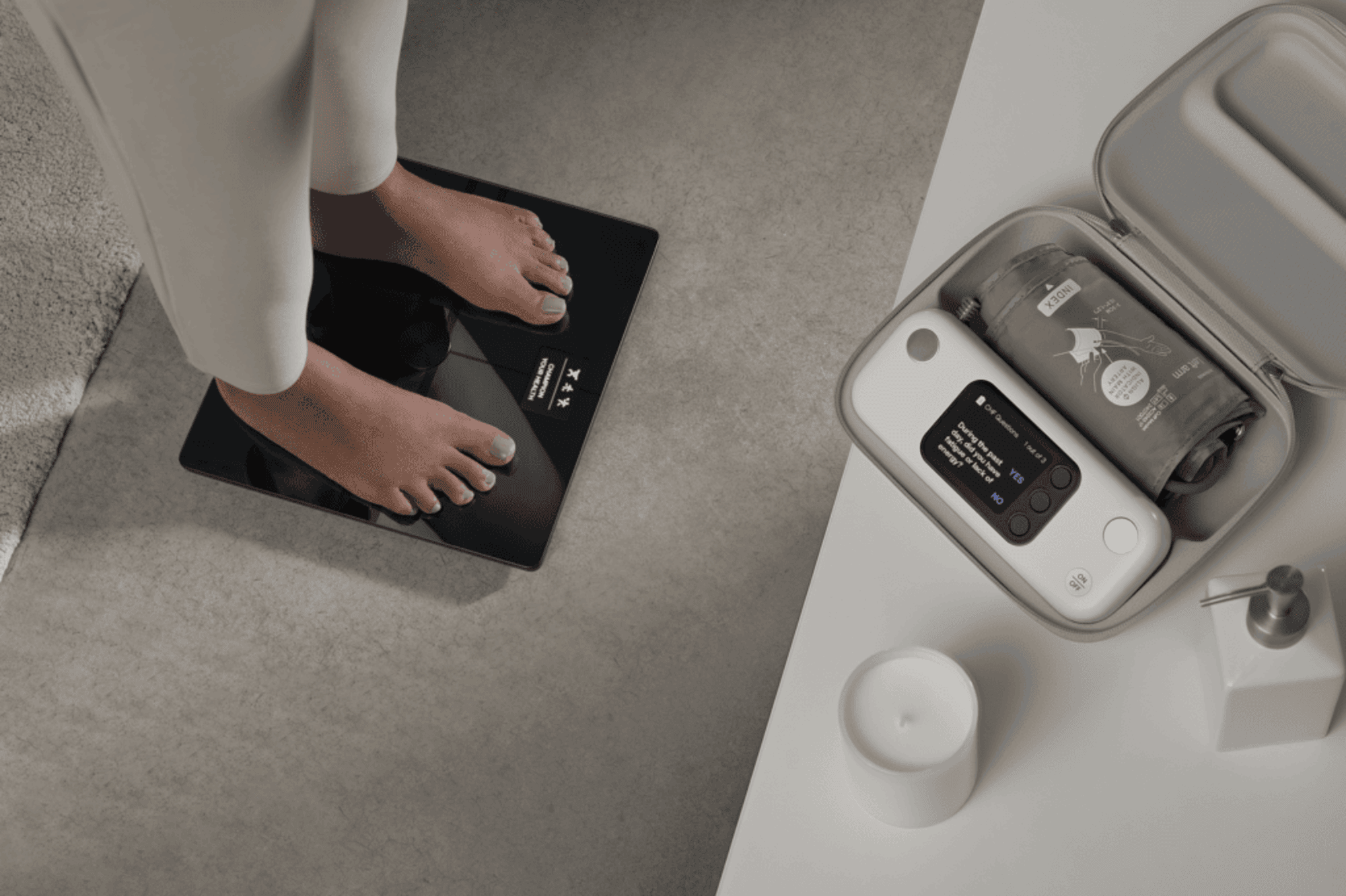
BPM Pro 2 was created with this care team feedback in mind. By automatically requesting high readings be retaken, and by providing patient education on the best practices for blood pressure checking, care teams can confidently address critical readings and are given the necessary context to tailor their care. “By understanding the conditions surrounding blood pressure measurements—whether the patient is stressed, active, or not following proper procedure—clinicians can make more informed decisions, streamline care, and save valuable time for care teams,” said a leading cardiologist we consulted. BPM Pro 2 was designed to streamline these clinical workflows, and allow hypertension care to be scaled to address the growing prevalence.
Click the button below to access the infographic.