
Nutritional testing: Track your health with Withings
Withings’ at-home urine analyzer lets you track your nutrition in real-time. It measures vitamin C levels, optimizes your diet, and...
Before you continue
Website version do not match with your country.
Pricing and product availability may vary by region.


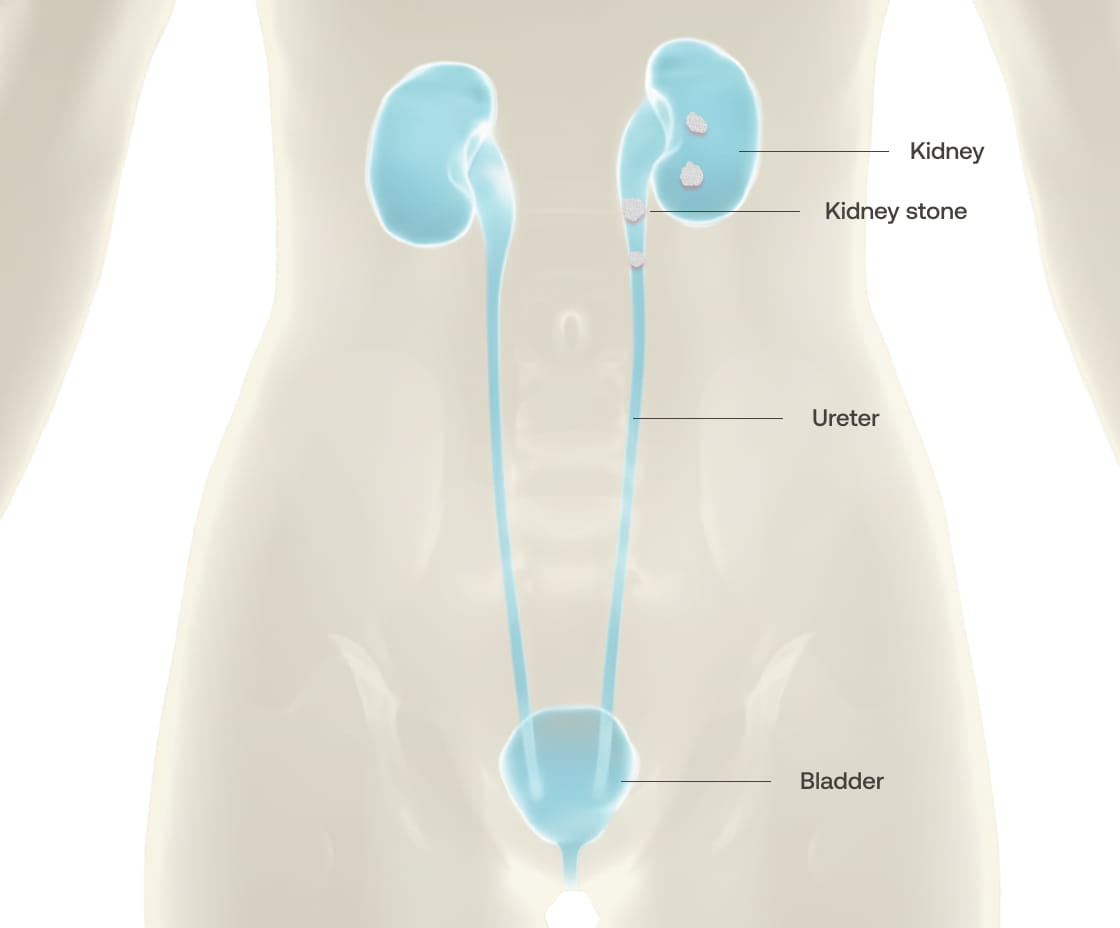
If you’ve ever experienced the sharp, radiating pain of a kidney stone, your first thought was likely, "How do I make sure this never happens again?". You aren't alone. Research shows that once you’ve had one stone, there is a 50% chance of developing another within five to seven years. Discover how U-Scan Calci can help right now, and how to prevent kidney stones effectively.
The single most effective way to prevent kidney stones is to stay hydrated. When you are dehydrated, your urine becomes more concentrated, with minerals like calcium and uric acid that can crystallize into stones.
The goal: Aim to drink enough fluids to pass about 2 to 2.5 liters of urine daily.
The indicator: Your urine should be pale yellow or clear. If it is dark yellow, you need to increase your water intake immediately.
The citrus boost: Adding fresh lemon or lime juice to your water provides citrate, a compound that helps block stone formation.
What you eat—and what you don't—directly impacts your risk levels. A proper kidney stone diet focuses on balancing minerals rather than just cutting them out.
Eat calcium-rich foods: It’s a common myth that you should avoid calcium. In fact, dietary calcium binds to oxalates in your intestines before they reach your kidneys. Aim for 2-3 servings of dairy or calcium-fortified foods daily.
Limit high-oxalate foods: If you are prone to calcium oxalate stones, the most common type, try to moderate your intake of spinach, beets, almonds, and rhubarb.
Reduce sodium intake: High salt intake forces your kidneys to excrete more calcium into your urine. Aim for less than 2,300 mg of sodium per day.
Diets high in red meat, poultry, and shellfish can increase uric acid levels and decrease citrate levels in the urine. To lower your risk, try replacing some animal proteins with plant-based alternatives like lentils, beans, or tofu.
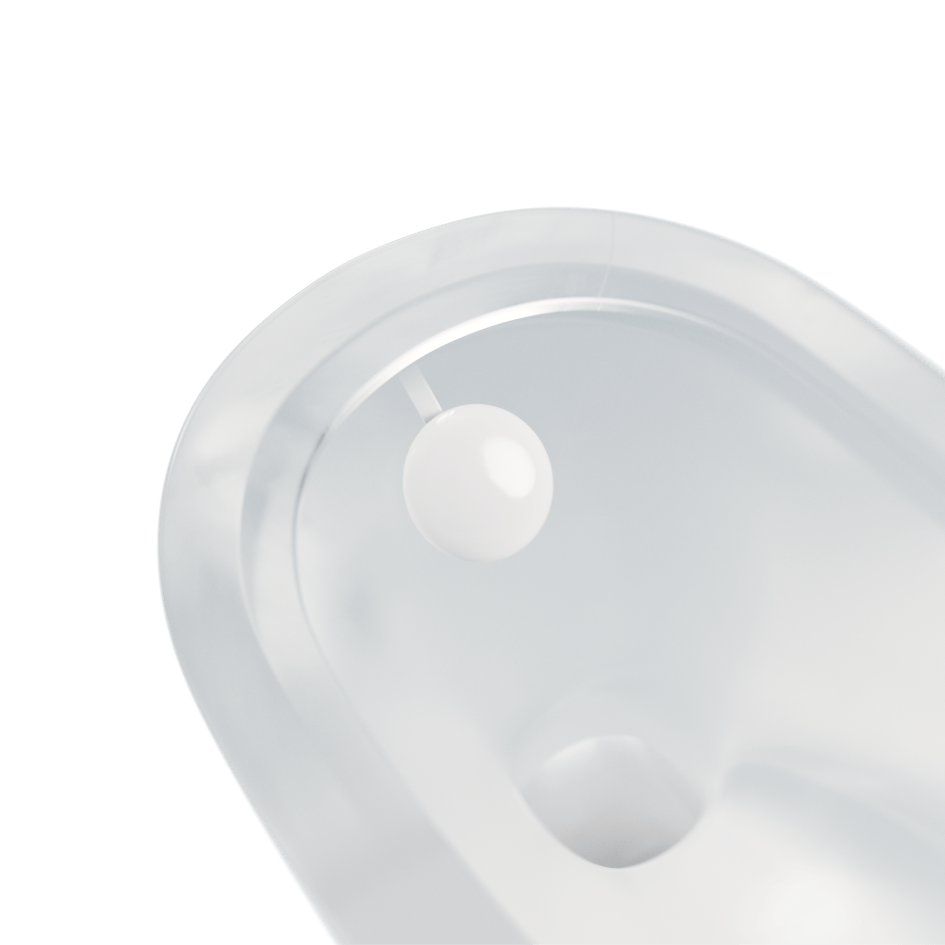
While diet and hydration are the foundation of prevention, consistency is often the hardest part. U-Scan Calci offers a revolutionary way to stay on track. This hands-free, at-home urine analyzer sits discreetly in your toilet and tracks three key biomarkers: calcium levels, Bio-Acidity, and HydroStatus.
By providing real-time data through the Withings app, U-Scan Calci helps you see exactly how your body responds to your diet and hydration habits, allowing you to catch potential risks—like a spike in urinary calcium—before a stone has the chance to form.
“Metabolic stress reflected in your urinary calcium levels is often your body’s response to your diet or hydration. U-Scan Calci translates this complex data into simple advice to restore your inner balance and protect your kidneys.”

• Drink 8–12 cups of fluid daily to keep urine diluted.
• Pair oxalate-rich foods with calcium (e.g., cheese with spinach) to prevent oxalate absorption.
• Limit sugary sodas, especially those containing high-fructose corn syrup or phosphoric acid, which are linked to an increased risk of kidney stones.
• Maintain a healthy weight, as obesity can alter the acidity of your urine.
FAQ
What is the best drink to prevent kidney stones?
Water is the gold standard. However, beverages high in citrate, such as sugar-free lemonade and orange juice, are also excellent at inhibiting crystal growth.
Can I take vitamin C supplements if I’m prone to stones?
High doses of vitamin C (over 1,000 mg/day) can be converted to oxalate in the body, increasing the risk of stones. It is best to get your vitamins from whole food sources or consult a doctor before supplementing.
How do I know what type of kidney stone I have?
The only way to know for sure is to have a doctor analyze a stone you have passed or perform a 24-hour urine collection test. This helps tailor your kidney stone prevention plan to your specific chemistry.
Does coffee cause kidney stones?
Current research suggests that moderate coffee and tea consumption may actually have a protective effect and lower the risk of stone formation, provided you stay hydrated with water as well.
How does U-Scan Calci work?
U-Scan is a reader that you can place inside your toilets. Inside the reader, you'll place the cartridge that fits your needs: if you're prone to kidney stones, then the Calci cartridge is the one you need. You'll only have to go to the toilets and have your urine analyzed at home to collect insights inside your Withings App. Discover more about U-Scan and its technology on our dedicated page.
Nutritional testing: Track your health with Withings
Withings’ at-home urine analyzer lets you track your nutrition in real-time. It measures vitamin C levels, optimizes your diet, and...
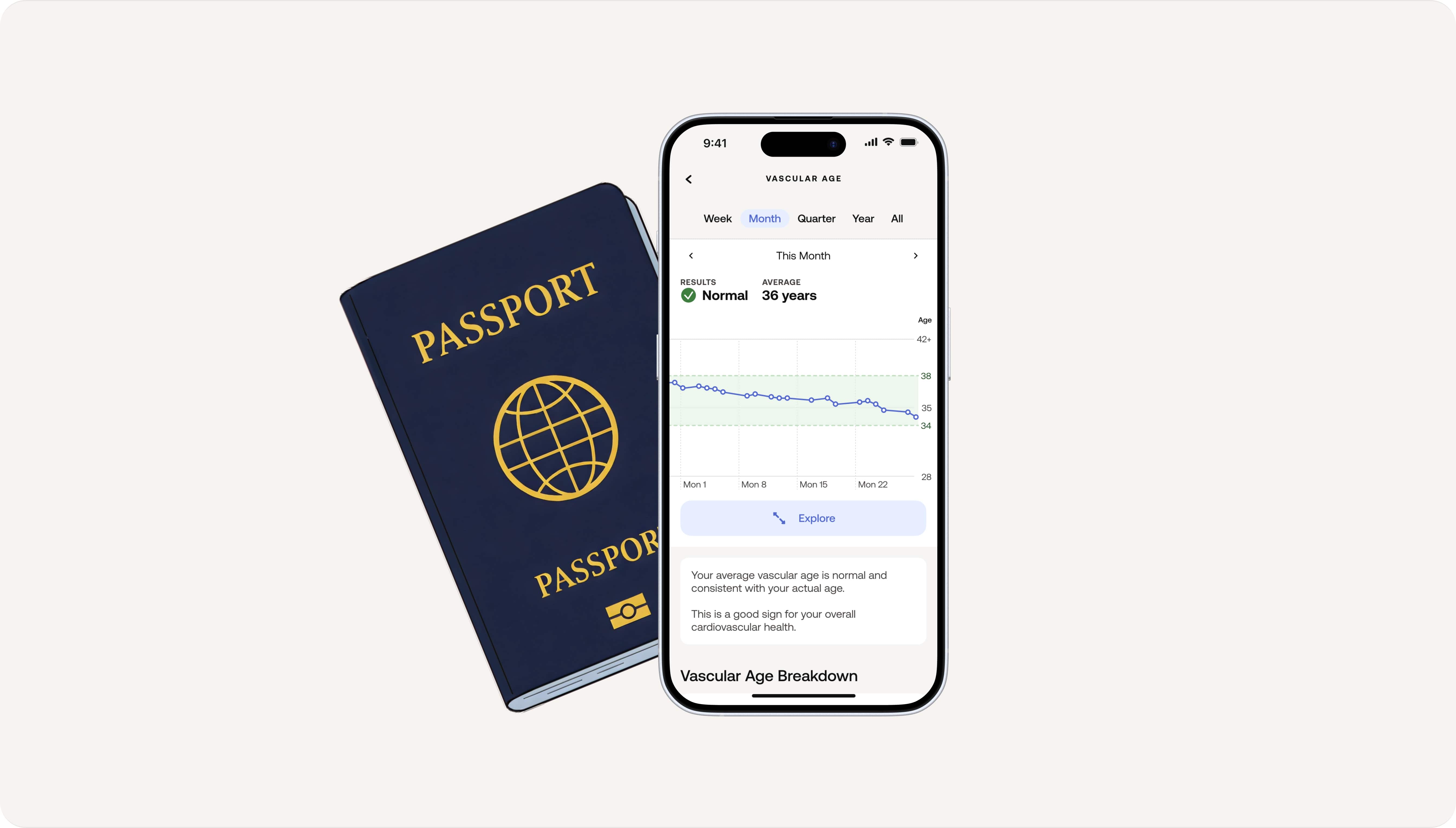
Vascular age: Discover your body’s true age
There's a more insightful way to understand your health: your biological age. Discover more about vascular age and how Withings can give...

About body composition
Body composition describes all elements that make up your body. They include fat mass, muscle mass, bones and water.
Join millions of users who are improving their health with Withings. Sign up to discover the entire Withings ecosystem, our latest products, and exclusive offers.
By registering, you agree to receive advertising e-mails from Withings. However, if you change your mind, you can unsubscribe at any time.
